Lock reads champ select as it happens and tells you the moment you drift outside the two to five champions you actually win on. No overlay clutter, no Riot login.
HoverFizz
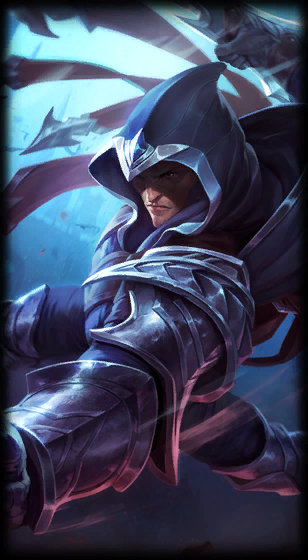
HoverTalon
BannedViktor
HoverKatarina
HoverTwisted Fate
Camille is outside your pool.Lock raises a foreign-signature warning before you commit the pick.

Champ select is thirty seconds of pressure, and the pick you regret is almost never the one you planned.
Someone hovers your lane, the timer drops, and you take a champion you haven't played in months.
A twenty-champion pool means twenty first-times. Mastery comes from repetition, not variety.
Two losses deep, you swap to something "fun" and turn a bad session into a worse one.
You forget which champions actually carried you last month, so you pick on feel instead of results.
Not a scouting overlay and not another stats site. Lock only cares about your own pool, your own form, and the decision in front of you right now.
Lock polls the League Client roughly twice a second during champ select and compares what you're hovering to the champions you committed to.
Drift outside the pool and a clean warning appears while you still have time to change your mind. It works even when Lock isn't the focused window.
Recent games on your pool champions are ranked by actual win rate and KDA, so "comfort" means what the record says, not what you remember.
Solo/duo rank with the real tier emblem, current LP, session record and your sealed pool, without opening a browser.
A visual fingerprint that stays calm when your pool is tight and bends when it scatters. It's a mood ring for your champ select habits.
A small status surface with session wins and losses that drops straight into a browser source, so your pool discipline becomes part of the broadcast.
Your champions sit in chambers that react to what the League Client is doing. It's rendered natively in Qt at up to 60 FPS — no embedded browser, no second runtime.
League Client is closed. The chambers go quiet and Lock sits in the tray costing you nothing.
You queue up. Matchmaking and the ready check bring the rack online and the brass edges light.
Champ select begins. The champion you're hovering develops its chamber to full glass and shows its skin and availability. Banned champions seal shut; ones already taken by a teammate get marked.
Hover something outside the pool and the whole rack throws a red alarm sweep. This is the one moment the app exists for.
Confirm an in-pool champion and its chamber expands into a full-width splash with a signature effect built for that champion — water and caustics for Fizz, blade trails for Talon, Hexcore fog for Viktor, orbiting cards for Twisted Fate.
The game starts and the Vault switches to deployment. When it ends, the result lands in the archive and your form updates.
Four steps, no Riot password, nothing to configure in the client.
Start the League Client on your PC as you normally would, then run Lock.
Lock finds it on its own in most installs. If yours lives somewhere unusual, point at it in Settings.
Pick the champions you actually want to be playing. Fewer is the point — this is a commitment, not a wishlist.
Leave Lock on either page before champ select so live status and the off-pool warning fire the way they should.
A temporary key the League Client writes on your own machine while it's running. It gives Lock the local port and authorization needed to read client state and champ select. It never leaves your computer, and Lock never asks for your Riot password.
C:\Riot Games\League of Legends\lockfileLock, its visual system and the champion-pool concept behind it are independently designed and developed. Bug reports, ideas and feedback all welcome.